CNC Machine Protective Covers: Specifying a Perfect Fit
CNC machines are precision tools, and the cover that protects one has to match that precision. A cover that fits loosely lets dust and coolant mist reach the ways; one that fits too tight strains the seams and is a nuisance to remove.
This guide covers the specifics of specifying CNC machine protective covers: the fit, the material, the access points, and the details that make the difference between a cover operators actually use and one they leave in the corner.
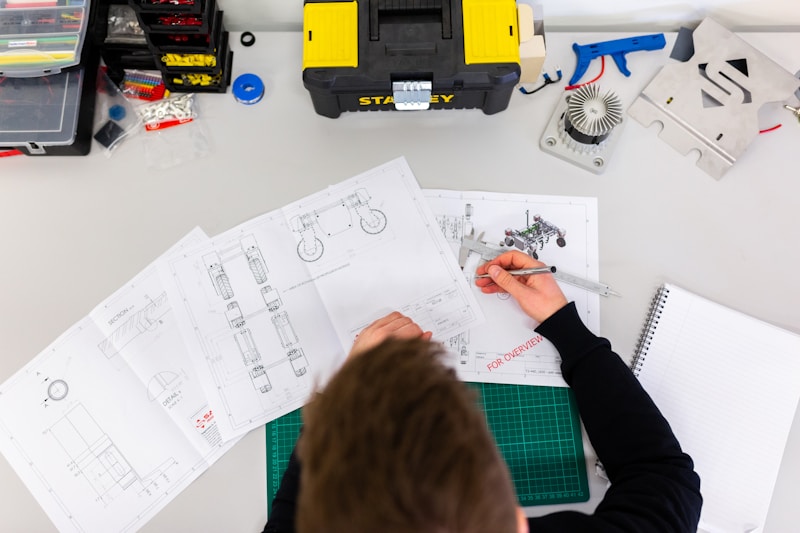
Fit: The CNC Machine Is Not a Box
CNC machines have moving parts, cables, and control panels. The cover has to accommodate all of them without binding.
Measure the machine with the doors closed and the way covers at both extremes of travel. Note every protrusion: the control pendant, the tool changer, the coolant pipes, the chip conveyor.
Send the factory a dimensioned drawing or a photo with measurements. CNC covers made from guesses fit like guesses.
Material: Coolant and Chips Are the Enemy
CNC shops are wet and oily. The cover material must resist coolant mist, cutting oil, and fine metal dust.
A coated polyester, 600D or heavier with a PU or PVC backing, is the practical choice. The coating keeps coolant out and wipes clean.
For machines that run constantly and need frequent access, consider a lighter material that folds easily. The best cover is the one that actually gets used, and heavy awkward covers get left off.
Access Points: Design for the Operator
The cover should not block the controls, the spindle, or the work area. Specify openings or zippered panels where the operator needs regular access.
Magnetic closures work well on steel machine frames and are faster than straps. Confirm the magnets are strong enough to hold the cover against light airflow.
Drawstrings or elastic at the base keep the cover snug and stop chips and dust from creeping underneath.
Branding and Identification
For OEM buyers, the cover is also a branding surface. Confirm the logo placement and method, woven label, printed, or heat transfer, and how it holds up to wiping.
Machine-specific identification, model number, serial area, or safety labels, can be printed on the cover so operators know which cover goes on which machine.
For more on this topic, see our material guide.
For more on this topic, see our OEM guide.
For more on this topic, see our QC standards.

Packaging and Delivery
CNC covers ship folded, and packaging affects how they arrive.
Specify individual bags for each cover to keep dust and moisture out during transit. For sea freight, add a moisture barrier and desiccant packs inside the cartons.
Confirm the carton size with your forwarder early. Oversized cartons increase shipping cost and risk handling damage.
Ask the factory for a packing list with the unit count per carton, and spot-check a few cartons during inspection to confirm the count matches.
Frequently Asked Questions
What material for CNC covers?
Coated polyester, 600D or heavier, resists coolant mist and oil and wipes clean. For frequent access, a lighter foldable material is more practical.
How do I measure a CNC machine for a cover?
Measure with doors closed and way covers at both travel extremes. Note every protrusion, control pendant, tool changer, coolant pipes, and chip conveyor, and send a dimensioned drawing.
What is the typical MOQ?
Most factories start at 100 to 200 pieces for standard sizes. Custom fit for specific machine models may have lower minimums. Lead time is typically 40 to 60 days.
Frequently Asked Questions
What material for CNC covers?
Coated polyester, 600D or heavier, resists coolant mist and oil and wipes clean. For frequent access, a lighter foldable material is more practical.
How do I measure a CNC machine for a cover?
Measure with doors closed and way covers at both travel extremes. Note every protrusion, control pendant, tool changer, coolant pipes, and chip conveyor, and send a dimensioned drawing.
What is the typical MOQ?
Most factories start at 100 to 200 pieces for standard sizes. Custom fit for specific machine models may have lower minimums. Lead time is typically 40 to 60 days.